

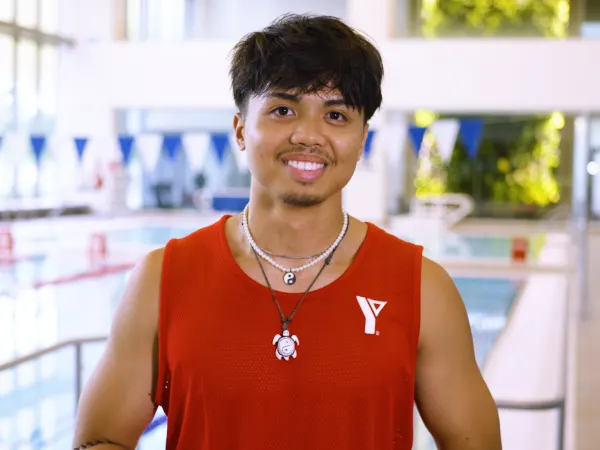
Become a Lifeguard and Swim Instructor
Whether you’re a teen thinking about your first job or an adult looking for a new challenge, working as a lifeguard or swim instructor can be rewarding.
Be the spark.
Getting Started
The first step for anyone interested in working in aquatics is to take a series of courses to certify you to work as a lifeguard or swim instructor. You’ll be able to work at the YMCA and other organizations that recognize your Lifesaving Society credentials.


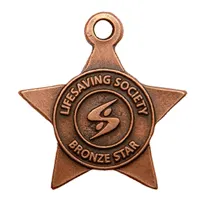
The Bronze Star certification course participants develop swimming proficiency, lifesaving skill and personal fitness. Participants will refine their stroke mechanics, acquire self-rescue skills, and apply fitness principles in training workouts. Bronze Star is excellent preparation for success in Bronze Medallion and provides a fun introduction to lifesaving sport. Participants will also learn basic first aid skills.
Prerequisite: None (Swim Patrol experience recommended).
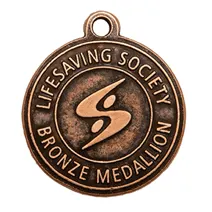
This is the first required course to become a Lifeguard. You can take Bronze Star before this course, but it's not required. Participants will develop an understanding of lifesaving principles and learn valuable skills needed to be successful in an aquatic emergency.
Prerequisite: 13 years of age by the last day of the course or Bronze Star certification (need not be current).
Required Materials: Canadian Lifesaving Manual (available as an add-on during registration).
This is the first required course to become a Lifeguard. You can take Bronze Star before this course, but it's not required. Participants will develop an understanding of lifesaving principles and learn valuable skills needed to be successful in an aquatic emergency. Basic First Aid is for people who want a general knowledge of first aid principles and the emergency treatment of injuries, recognized by Ontario's Workplace Safety & Insurance Board.
Prerequisites: 13 years of age by the last day of the course or Bronze Star certification (need not be current)
Required Materials: Canadian Lifesaving Manual (available as an add-on during registration).
Required Materials: Canadian First Aid Manual 2026 edition (available as an add-on during registration).
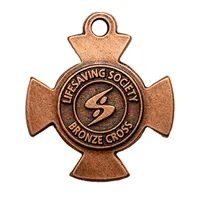
Begins the transition from lifesaving to lifeguarding and prepares candidates for responsibilities as assistant lifeguards. Candidates strengthen and expand their lifesaving skills and begin to apply the principles and techniques of active surveillance in aquatic facilities. Bronze Cross emphasizes the importance of teamwork and communication in preventing and responding to aquatic emergencies.
Prerequisite: Bronze Medallion and Basic First Aid with CPR-B (formerly Emergency First Aid with CPR-B). Certifications under either name are accepted and need not be current.
Bronze Cross begins the transition from lifesaving to lifeguarding and prepares candidates for responsibilities as assistant lifeguards. Candidates strengthen and expand their lifesaving skills and begin to apply the principles and techniques of active surveillance in aquatic facilities. Bronze Cross emphasizes the importance of teamwork and communication in preventing and responding to aquatic emergencies. Intermediate First Aid is the WSIB-recognized certification required by various workplaces, including lifeguards. Designed for those who require a more in-depth understanding of first aid and CPR. This course is a prerequisite for National Lifeguard course.
Prerequisite: Bronze Medallion and Basic First Aid with CPR-B (formerly Emergency First Aid with CPR-B). Certifications under either name are accepted and need not be current.
Required Materials: Canadian Lifesaving Manual (same as Bronze Medallion). Available as an add-on during registration.
Required Materials: Canadian First Aid Manual 2026 edition (available as an add-on during registration).
This is the final course to take to become a certified Lifeguard. You must have completed Bronze Medallion, Bronze Cross and Standard First Aid or Intermediate First Aid before enrolling in this course. The National Lifeguard (NL) certification is the industry standard for professional lifeguards in Canada. NL guards are water rescue professionals trained in emergency care. They prevent accidents, spot potential trouble and intervene before it becomes life-threatening.
Prerequisites: A minimum age of 15, Bronze Cross, and Lifesaving Society Intermediate First Aid with CPR-C (formerly Standard First Aid). Certifications under either name are accepted and need not be current.
Required materials: Alert: Lifeguarding in Action Manual (available as an add-on during registration).
The National Lifeguard Recertification exam is your opportunity to demonstrate your skills and renew your award. You are responsible for reviewing the required content and skills.
Prerequisite: National Lifeguard Certification. Need not be current, but must be presented at the start of the course.
Verification of Identity Policy:
All candidates, whether original or recertification, must verify their identity to the instructor. Original, copy, or digital copies of identification are accepted.
The Lifesaving Society Ontario requires that the candidate's legal name must appear on all certifications it issues. Candidates may also provide a preferred name, which may be displayed on the certification if requested; however, it does not replace the legal name.
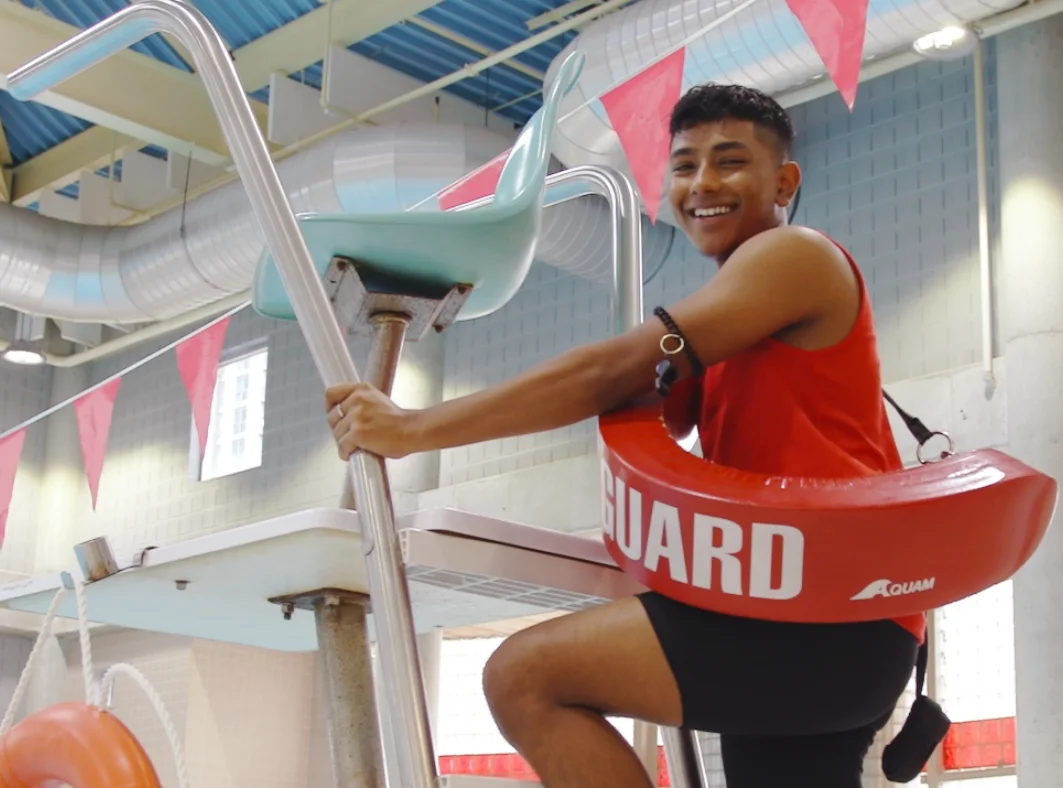
Work in Aquatics at the YMCA
Would you like to join a positive and supportive aquatics team? We are hiring swim instructors and lifeguards at most of our 11 locations across the GTA. Apply today and get awesome support and training, plus a FREE Fitness Membership when you join the team.
Meet Our Aquatics Alumni
We want to introduce you to some real-life "superheroes" who got their start working at the Y as lifeguards and swim instructors. When asked how the experience shaped their careers they all said it was important for them to give back to their community. Working as a lifeguard and swim instructor gave them the leadership and influencing skills that have made our aquatics alumni the leaders they are today.
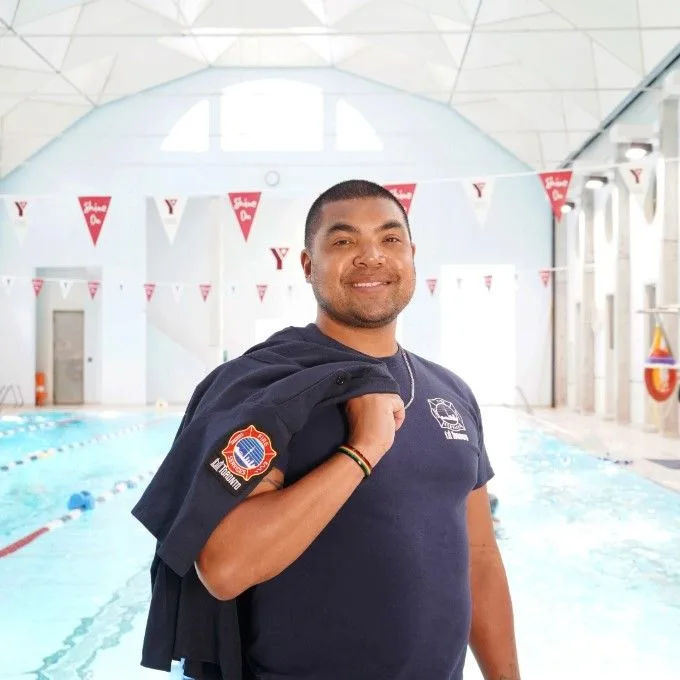
Jason Byles
YMCA Aquatics Alumni
From the swimming pool to the firehall, former YMCA lifeguard and swim instructor Jason Byles has always been passionate about helping others. A lot of what he learned working at the Y is still helpful in his daily life as a City of Toronto Firefighter. Being a Y lifeguard and swim instructor gave Jason the confidence to be ready for anything as a firefighter today.
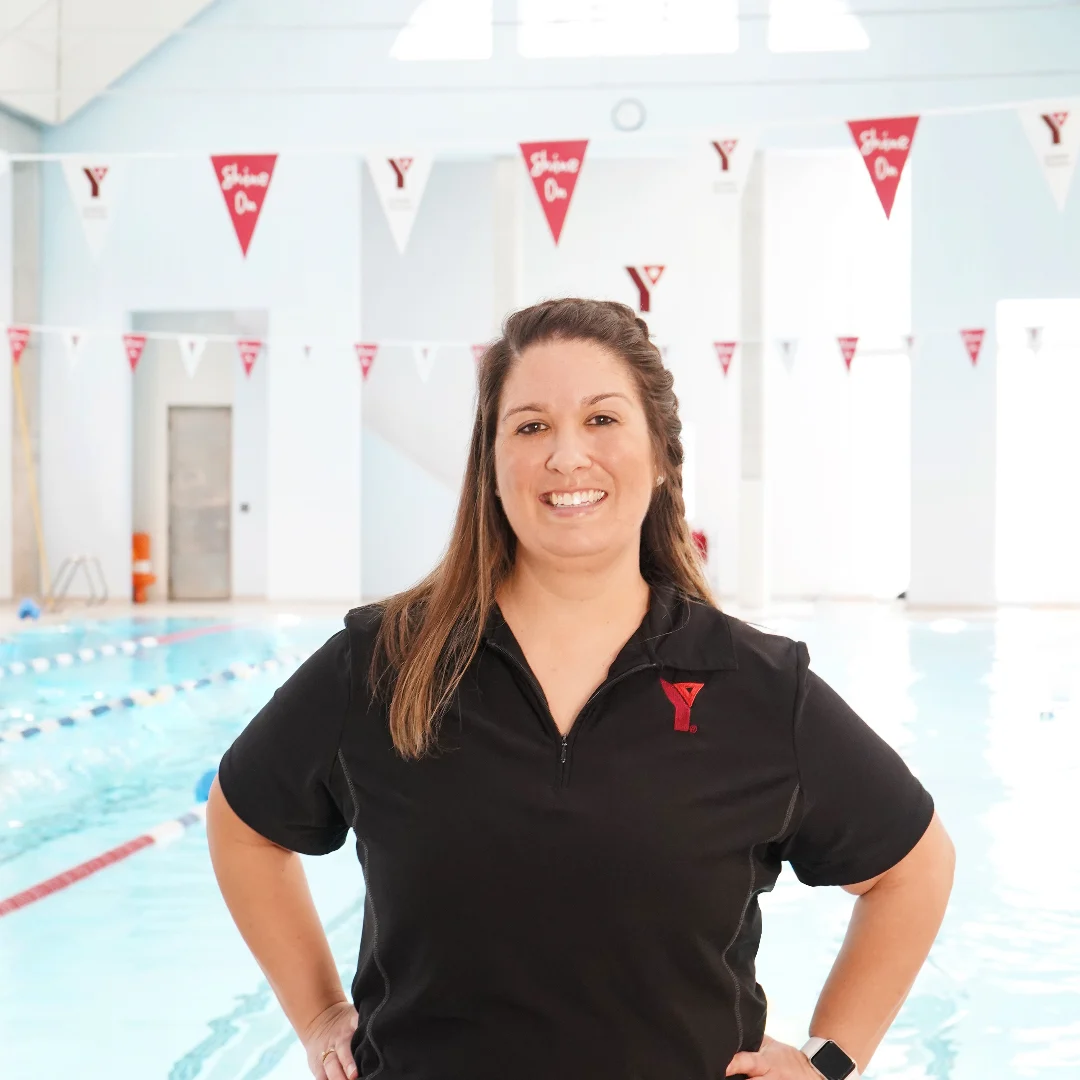
Leanne Marshall
Senior Director Aquatics, YMCA of Greater Toronto
Leanne works at the Oshawa YMCA and is so grateful that her parents insisted she complete her Bronze Medallion and Bronze Cross at 13. She started at the Y as a part-time swimming instructor when she was 17, and now she's an aquatics leader at the Y. She works with young people every day, helping to shape their futures. Leanne says working in aquatics has given her self-confidence and leadership skills she which she can apply on the job and at home.
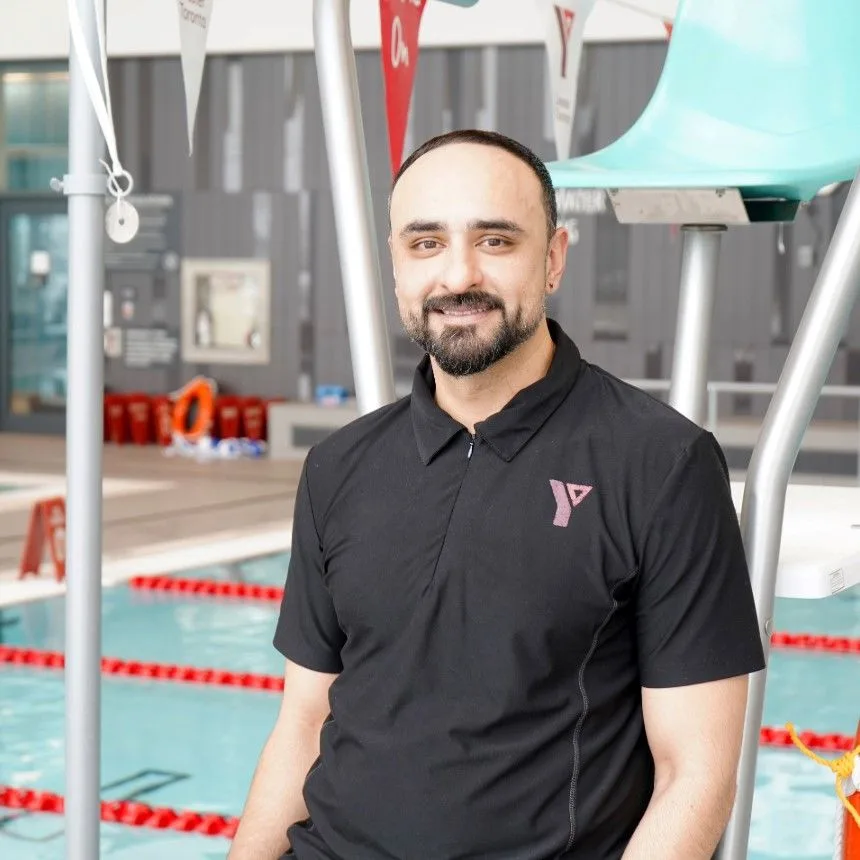
Narayan Persaud
Director of Aquatics and Children's Programs, YMCA of Greater Toronto
Narayan got his first part-time job as a lifeguard when he was 16, then started working at the Y when he was 18. That kickstarted his career in aquatics. His main role today is as a trainer and coach helping people advance in the field of Aquatics. He also assesses programs and adapts them to meet the needs of the community. Narayan says working in aquatics has given him the skills to be a positive role model and leader for children and youth.